
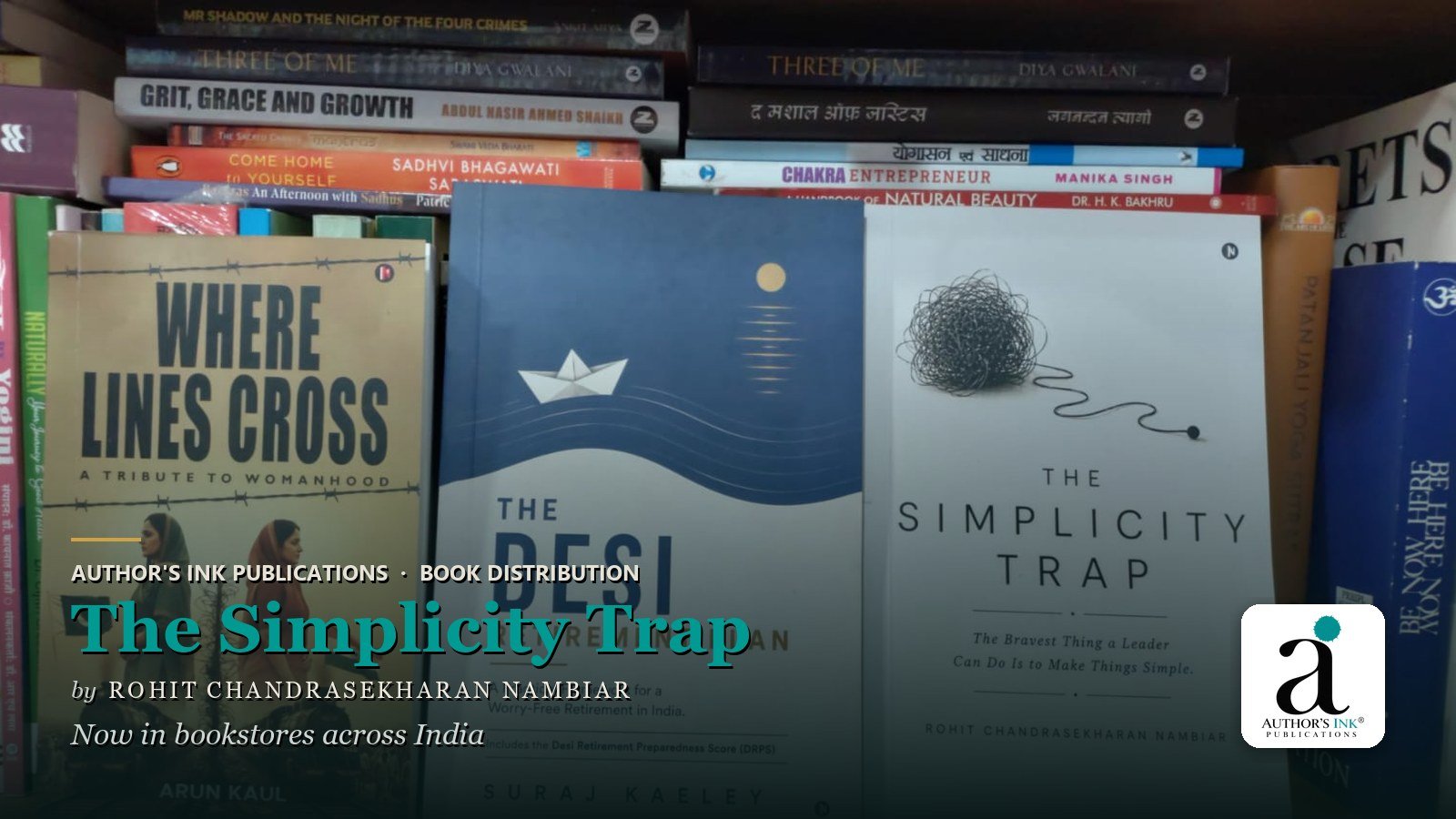
A book only becomes real to most readers at the moment they see it on a shelf. Not in a search result, not in a feed — on a shelf, spine out, among other books, in a shop they happened to walk into. That moment has just come for The Simplicity Trap.
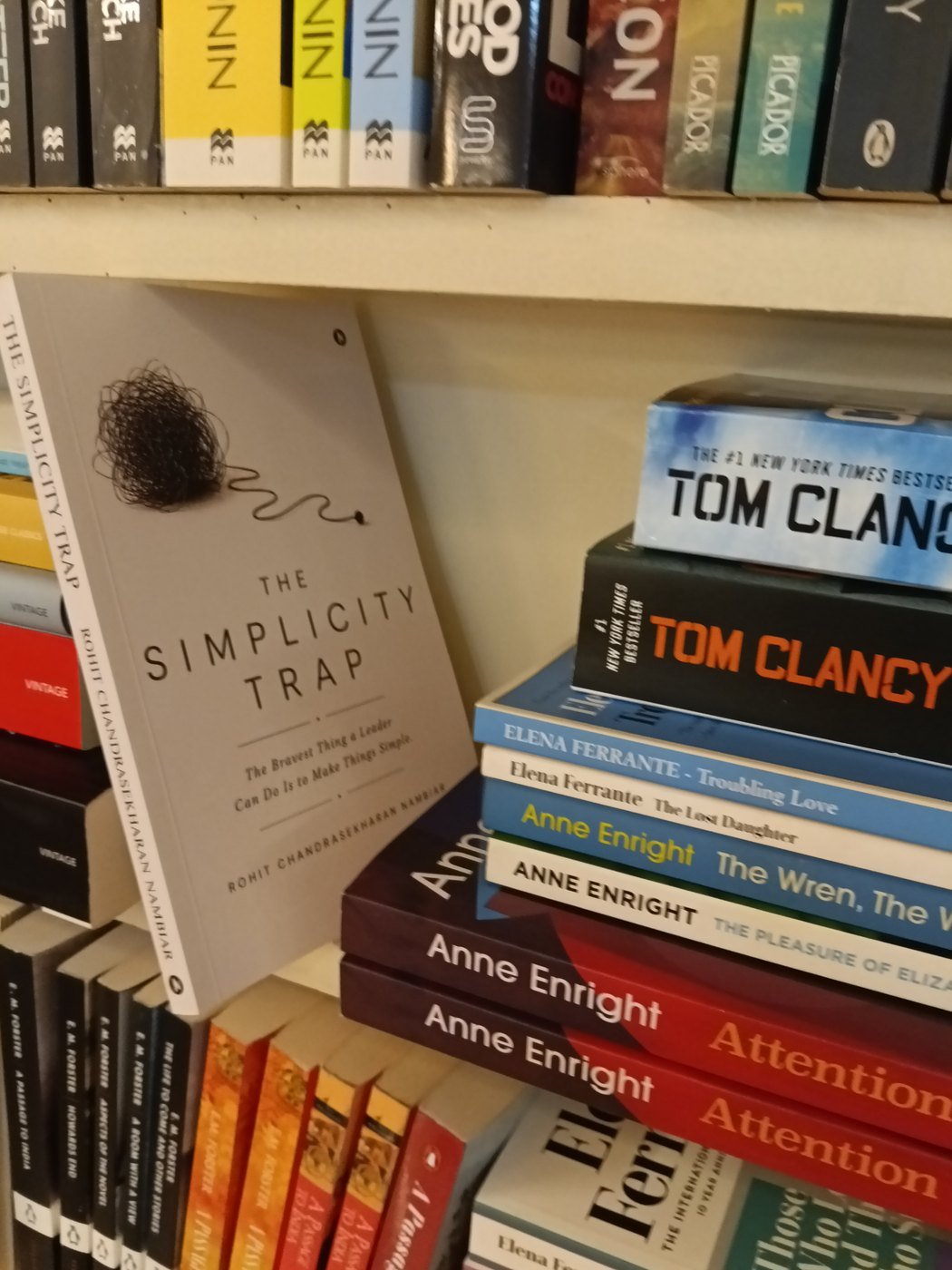
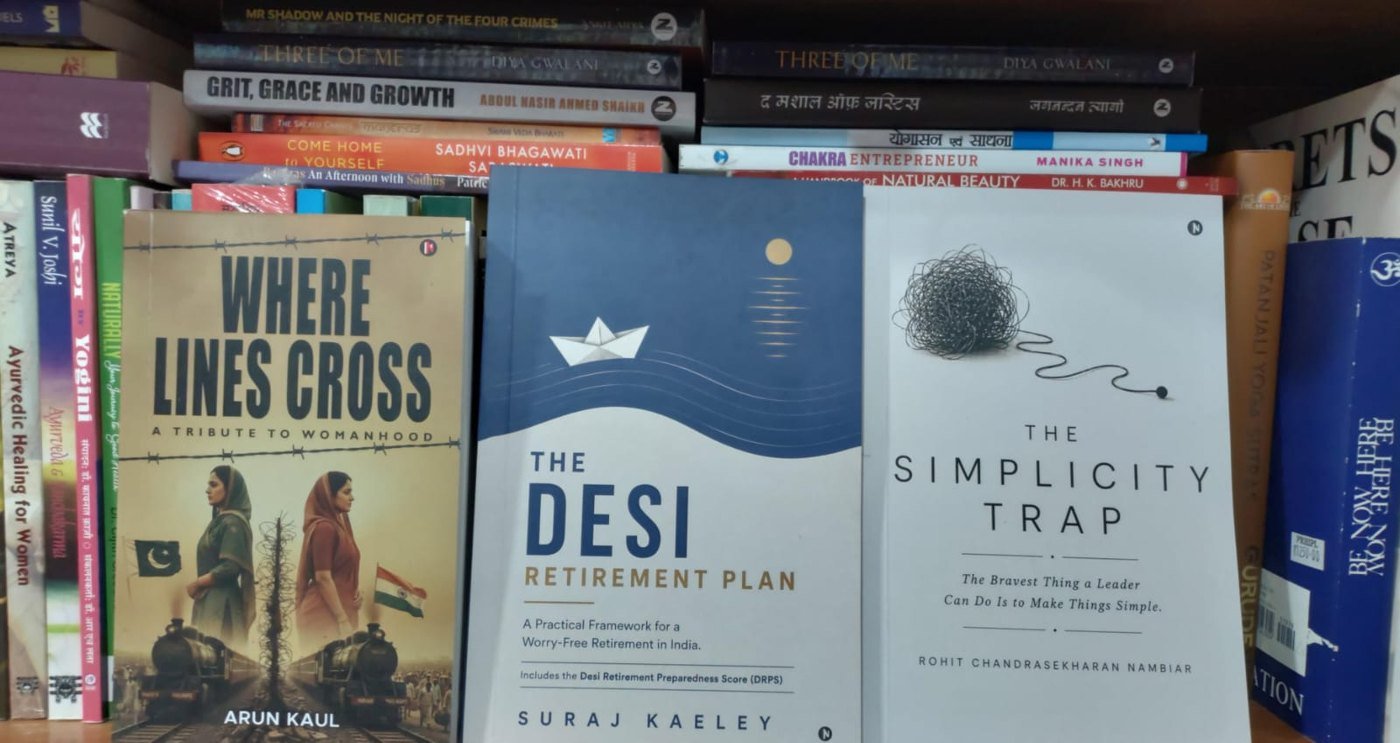
Rohit Chandrasekharan Nambiar’s book reached the shelves this month. Author’s Ink Publications handled the retail distribution that placed it in bookstores across India, and we took photographs along the way.
About The Simplicity Trap
The Simplicity Trap: The Bravest Thing a Leader Can Do Is to Make Things Simple is a 206-page book on leadership and organisational complexity. Its argument is a sharp one: complexity inside companies is almost never accidental. It survives because removing it costs someone something — the product nobody can explain stays in the catalogue, the process that exists out of habit stays in place, and the system everyone defends is the one nobody questions.
Simplicity, the book contends, is not the absence of sophistication. It is the harder choice, and it takes courage.
It is the kind of book that belongs in an airport bookshop at 6am, in the hands of someone with a flight and a problem to think about. Which is part of why the retail placement mattered.
You can also buy The Simplicity Trap online on Amazon.in, and read more about it on the book’s website.
Where to find The Simplicity Trap
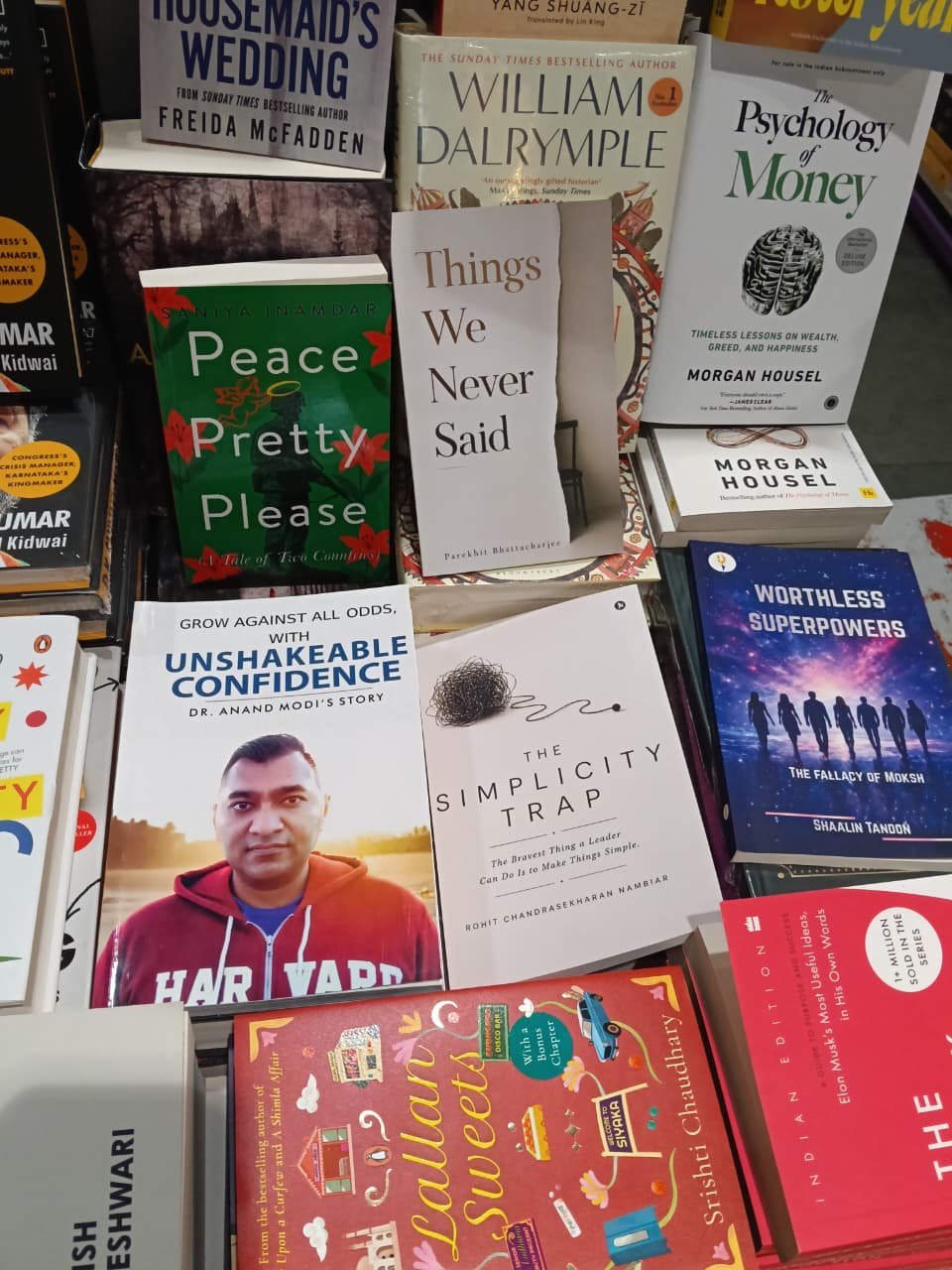
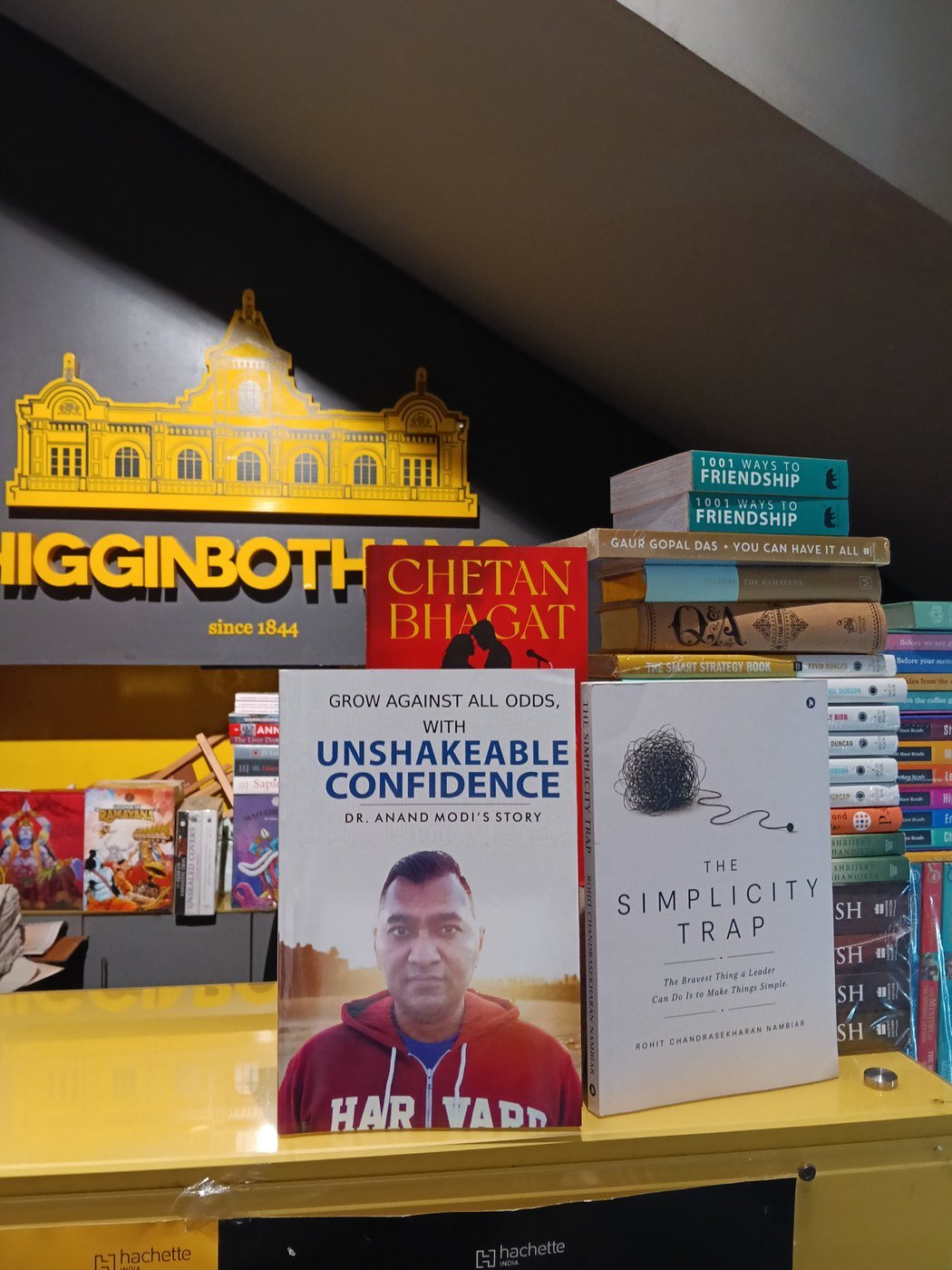
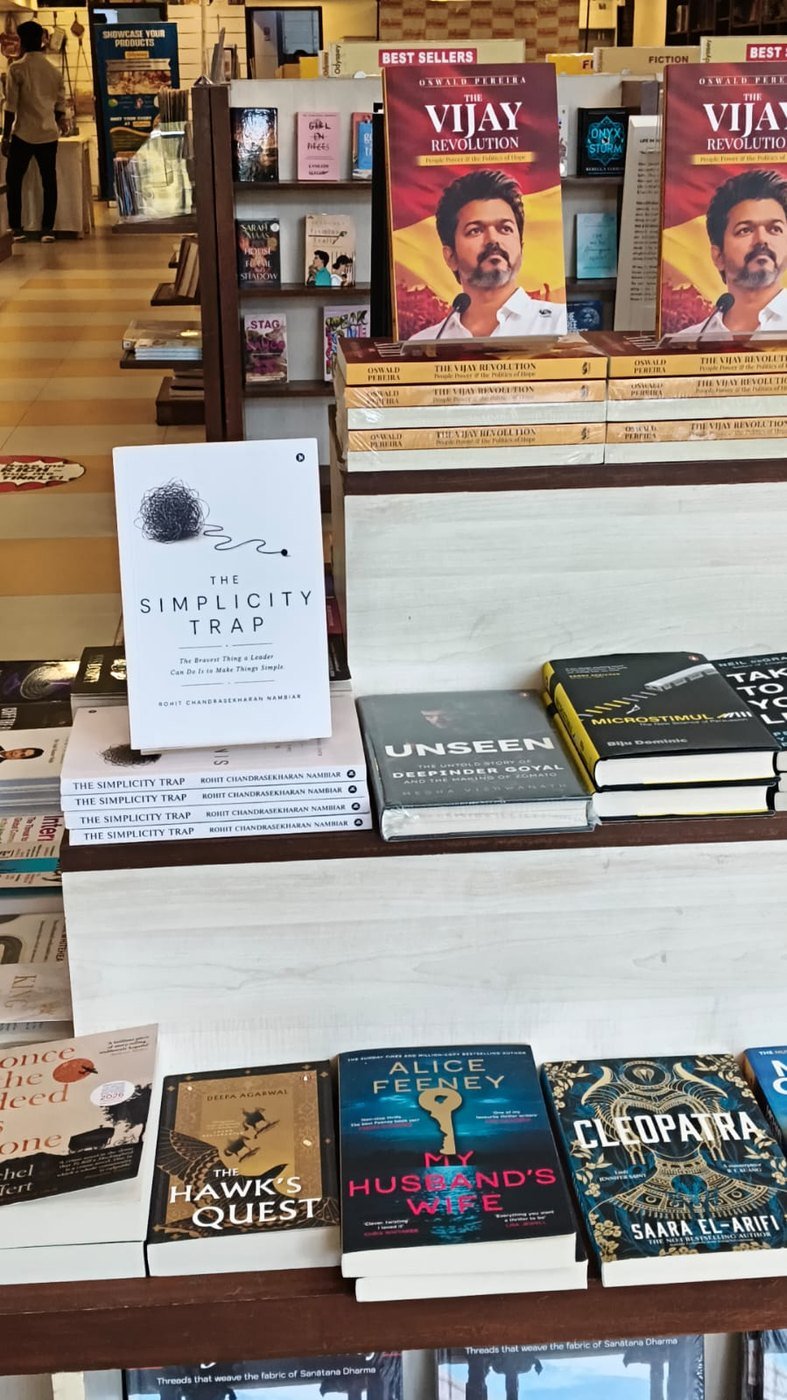
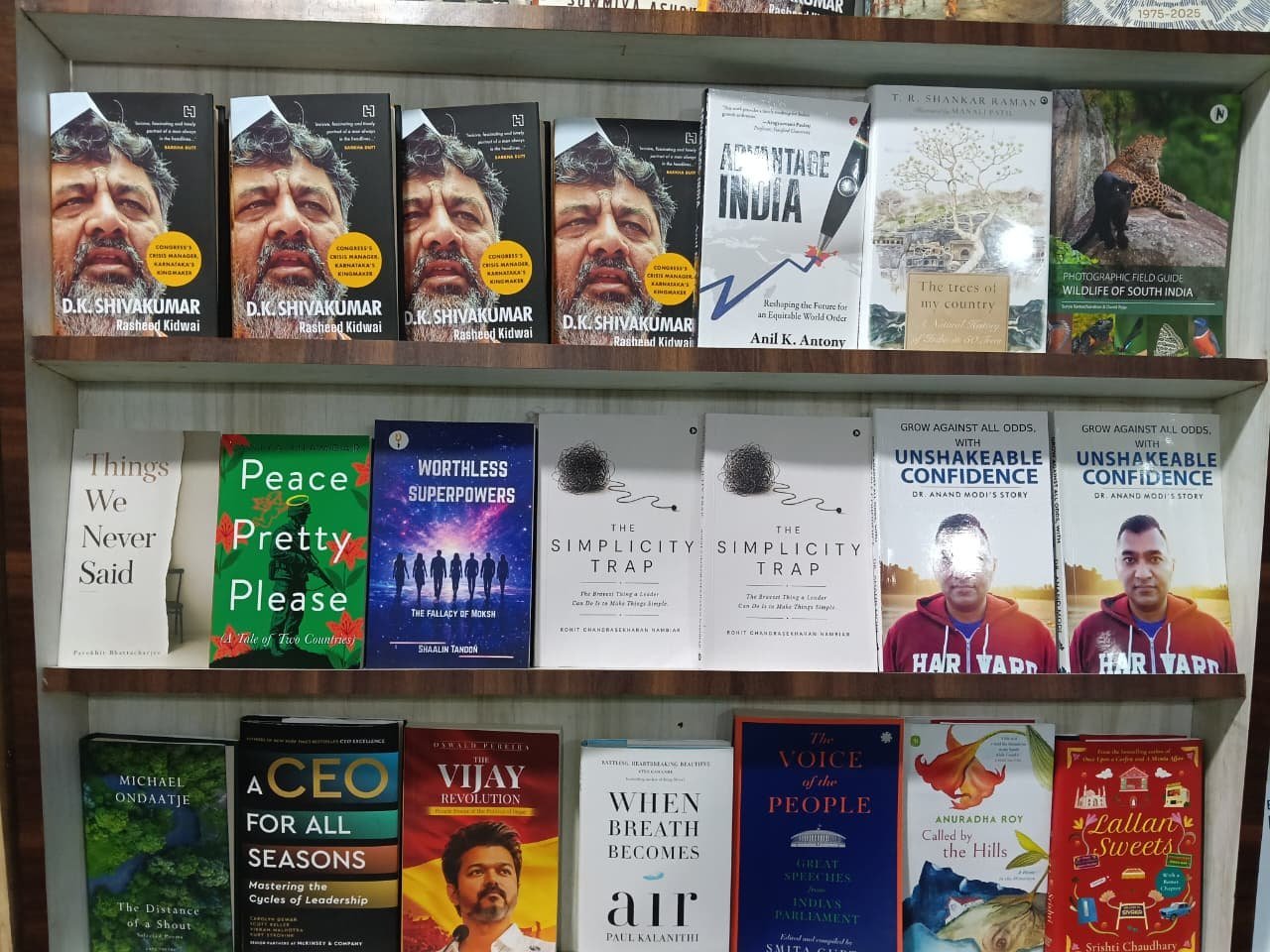
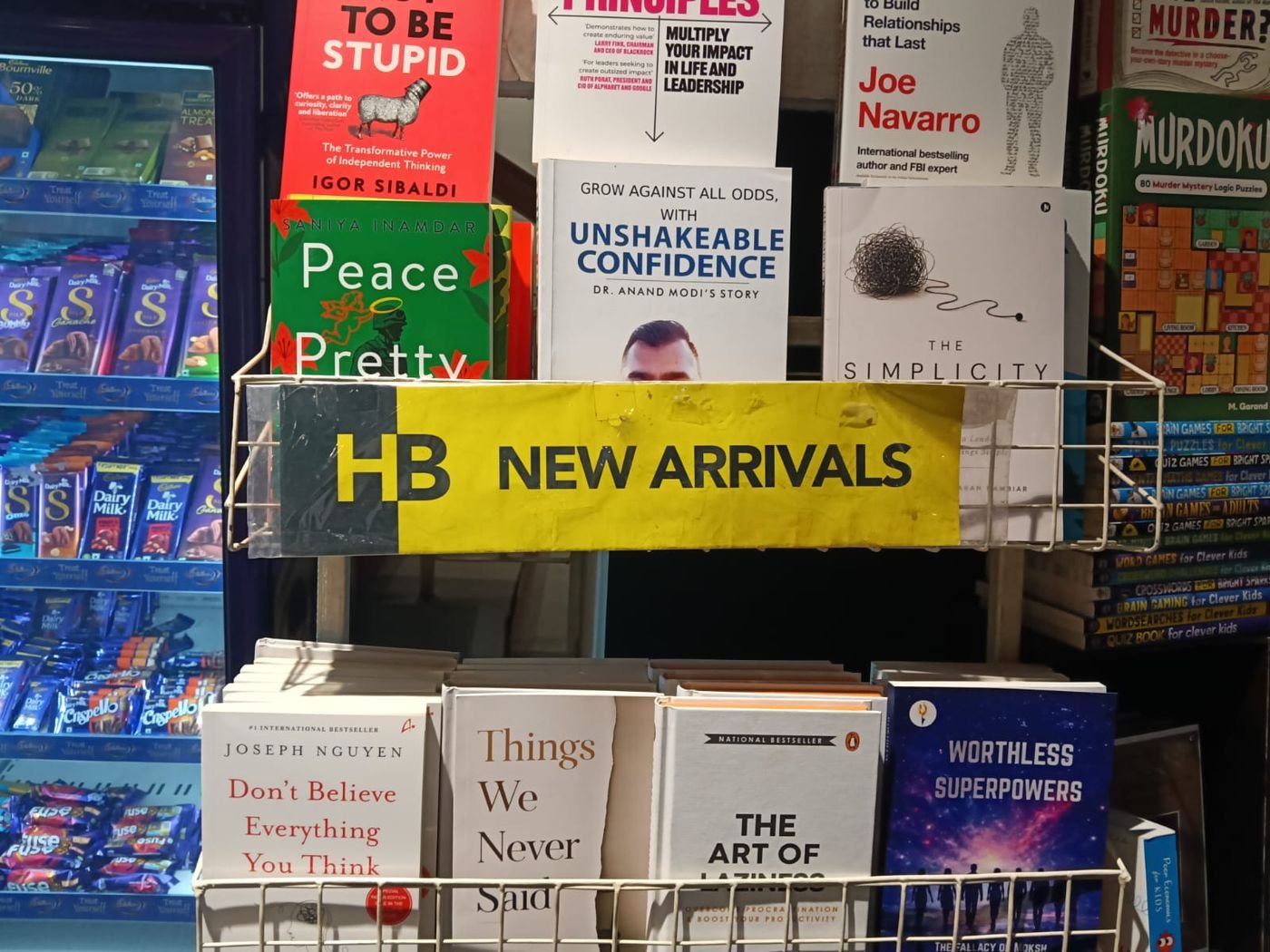
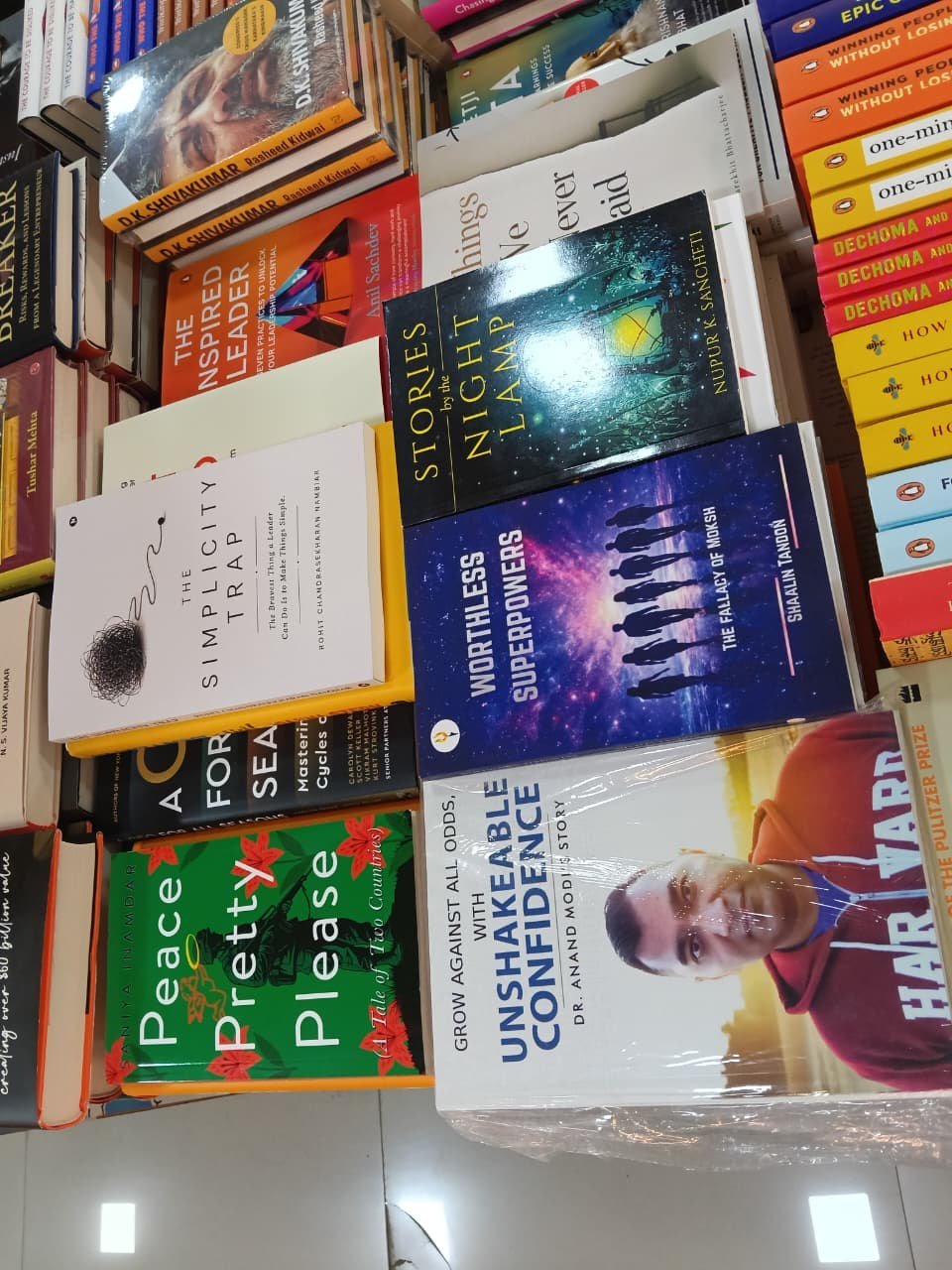
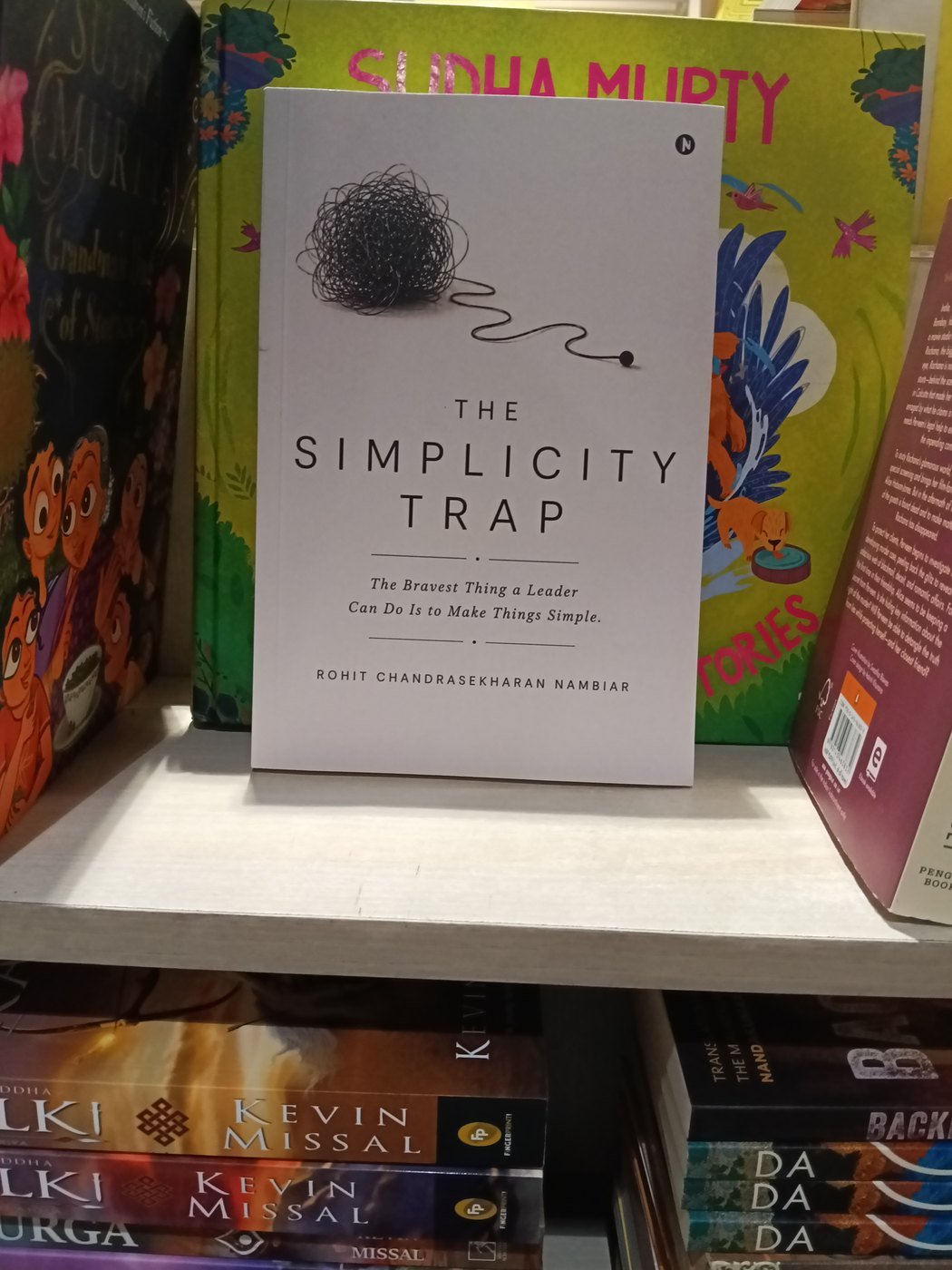
Here is the book on real shelves, in real shops across Delhi, Bengaluru, Chennai and Kolkata — photographed as the rollout happened.
Why getting a book into physical bookstores is hard
Most authors underestimate this step, because online distribution is so easy by comparison. Uploading a book to Amazon takes an afternoon. Getting the same book onto a shelf in a shop takes relationships, logistics and a buyer’s agreement.
A few reasons it is genuinely difficult:
- Shelf space is finite and contested. Every title placed is another title displaced. Retail buyers are not neutral gatekeepers — they are making a commercial bet on your book, using space they could give to a guaranteed seller.
- Chains buy centrally, not store by store. You cannot walk into a branch and persuade the manager. Decisions sit with head-office buyers who deal with distributors, not individual authors.
- Stock has to move physically. Books need to be printed, warehoused, allocated per store and delivered — then restocked when they sell, and collected when they do not.
- Returns are the publisher’s risk. Most retail is sale-or-return. Unsold copies come back, and someone absorbs that cost.
This is why an author acting alone almost never reaches physical retail, and why so many self-published books exist only as an Amazon listing. It is not a quality problem. It is an access problem.
How we place books in stores
Author’s Ink has spent years building the retail side of publishing, because it is the part most authors cannot do for themselves. Our distribution reaches:
- Airport bookshops — WHSmith, Relay and Bon Voyage, where travellers browse with time to spare and buy on impulse
- Retail bookstore chains and independents across the country
- University and campus stores, which reach readers online retail rarely touches
- Online — Amazon, Kindle, Flipkart and Google Play Books
We handle this for books we publish, and — as with The Simplicity Trap — for books published elsewhere whose authors want to reach physical shelves.
Airport, campus and high-street options are laid out in full on our book distribution services page.
What shelf presence actually does for an author
Beyond copies sold, being in shops changes a few things:
- Discovery by strangers. Online, readers find books they were already looking for. In a shop, they find books they did not know existed.
- Credibility. A book in a bookshop reads as a real book. Fairly or not, that perception affects reviews, invitations and press interest.
- Something to point at. Authors photograph their book on the shelf and share it — and that photograph does more marketing work than most paid campaigns.
Want your book in bookstores?
If you are an author with a finished book — whoever published it — and you want it in physical shops rather than only online, that is exactly what our book distribution service is for. If you are still writing, it is worth understanding early how retail works, because some decisions made at print stage affect whether a shop will stock you at all.
Congratulations to Rohit on a book that earned its place on the shelf. If you would like to talk about getting yours there, get in touch — or see how our publishing packages work if you are starting from a manuscript.



Leave A Comment